

This review is about the Stando Prowe

Introduction
Some time ago I did a series of reviews of razors from the Polish manufacturer Stando. What I remember from that series is that all of these razors all had a very good quality standard. Good construction, practical in use and a modest but reasonable finish. Working-class razors that know what they're doing and do it well.

And today, thanks to the generosity of @Alb74, we have another Stando to review. This is the Stando Prowe SE. A single-edge razor that uses DE half-blades. At first glance, it seems to follow the same design as its siblings: solid industrial-like construction, a matte sandblasted finish and a functional handle. In these reviews, razors are scored based on several factors. Some factors are easily recognizable. The material, dimensions and color, for example, leave no room for doubt. But there are other elements that make up a razor and shape its performance with lather and hair.

And this is where Stando razors have always surprised me. Without being flashy, ostentatious or backed by infernal marketing, they've always performed more than admirably. What will this Prowe razor we have before us today do? Come in and join me for this review.
Construction

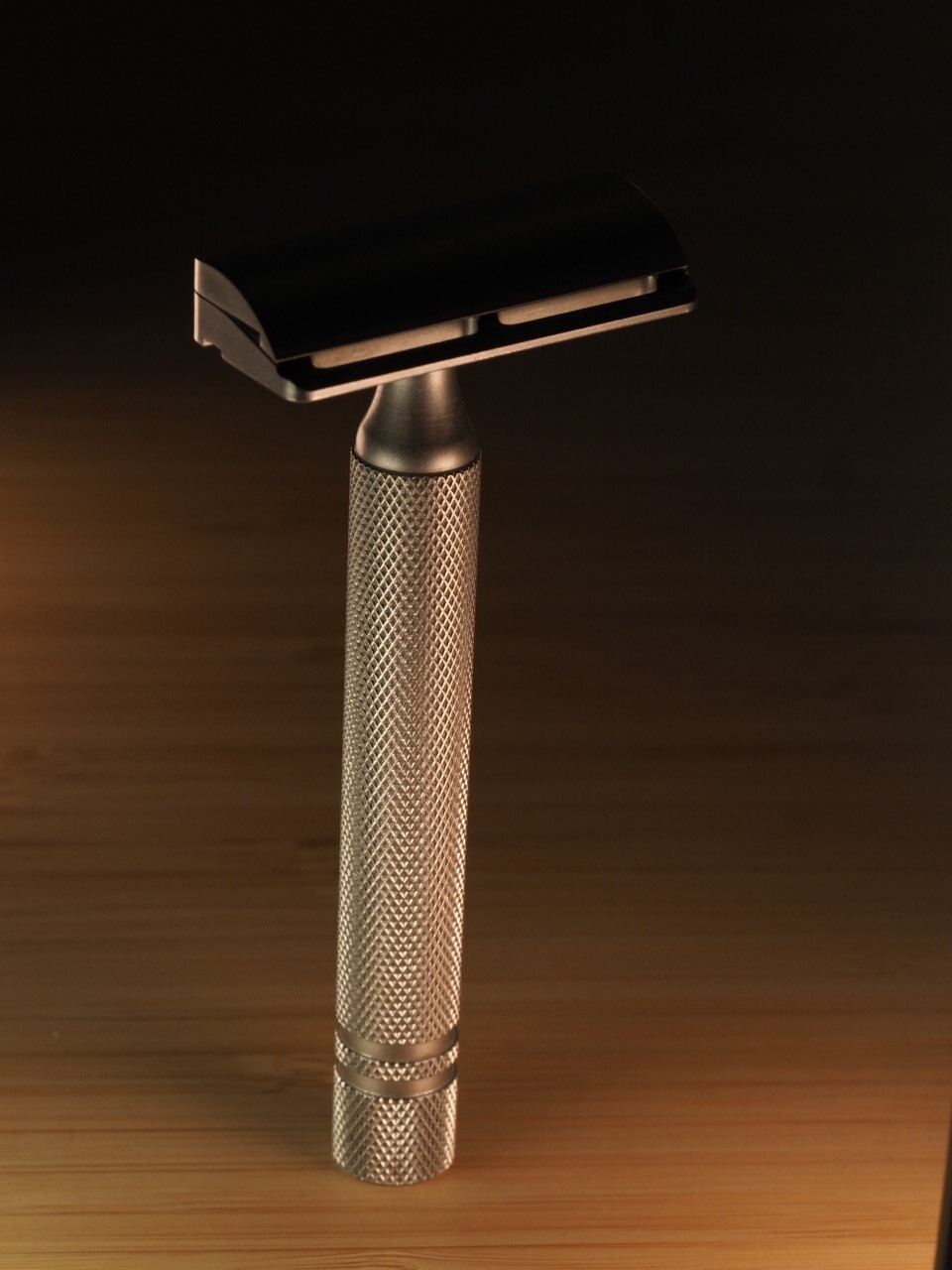
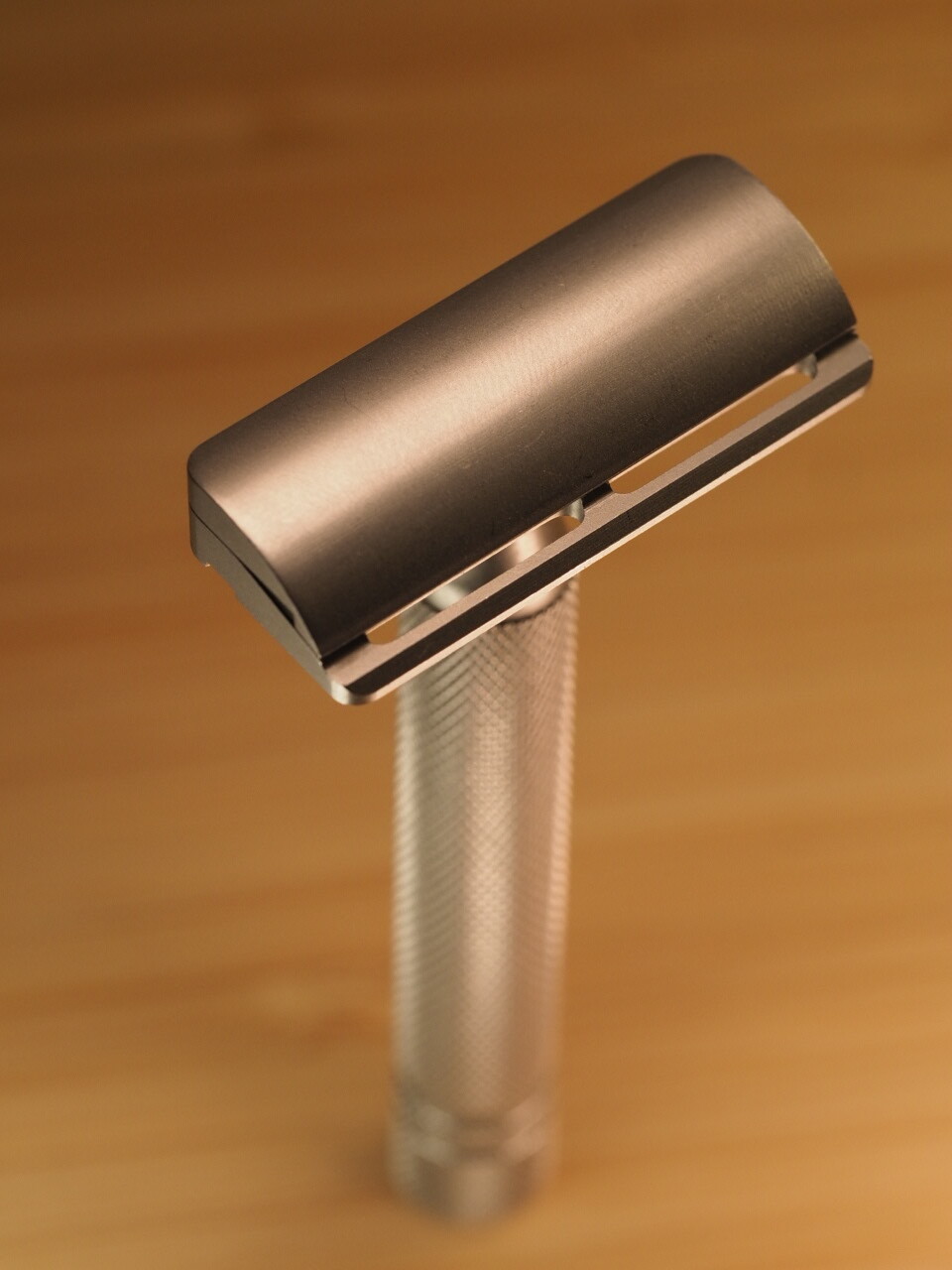
The Stando Prowe SE is a three piece single-edge razor that uses DE half-blades, CNC-machined from 316 stainless steel. This design is not new: a head with a base plate perpendicular to the handle and a curved cap. The angle between the blade and the handle is achieved inside the head on the ramp where the blade is attached.
Material: 316 stainless steel
Finish: Matte satin beadblasted
Handle length: 90 mm
Handle diameter: 12 mm
Total length of the razor: 97.6 mm
Total weight: 105 gr
Head weight: 37 gr
Cap height: 5.5 mm
Lid width: 15.5 mm
Gap: 0,70 mm
Exposure: neutral
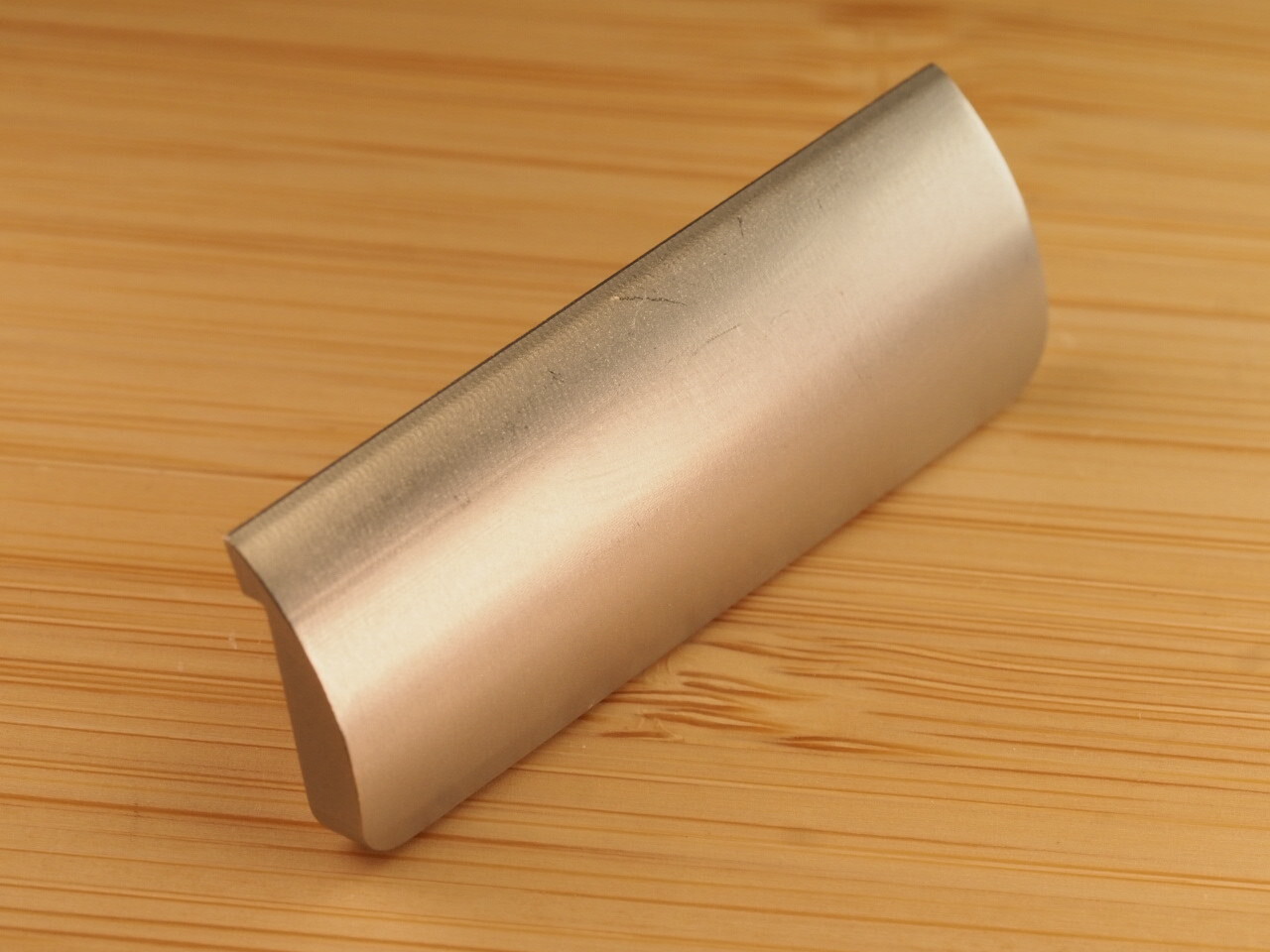
The top of the cap has the typical half-curve of a single edge razor. Along the edge of the cap where the blade protrudes, there's a thin line where the cap hasn't been polished. This doesn't affect the blade's glide because it's located just above the cutting edge. The corners on the back are rounded.
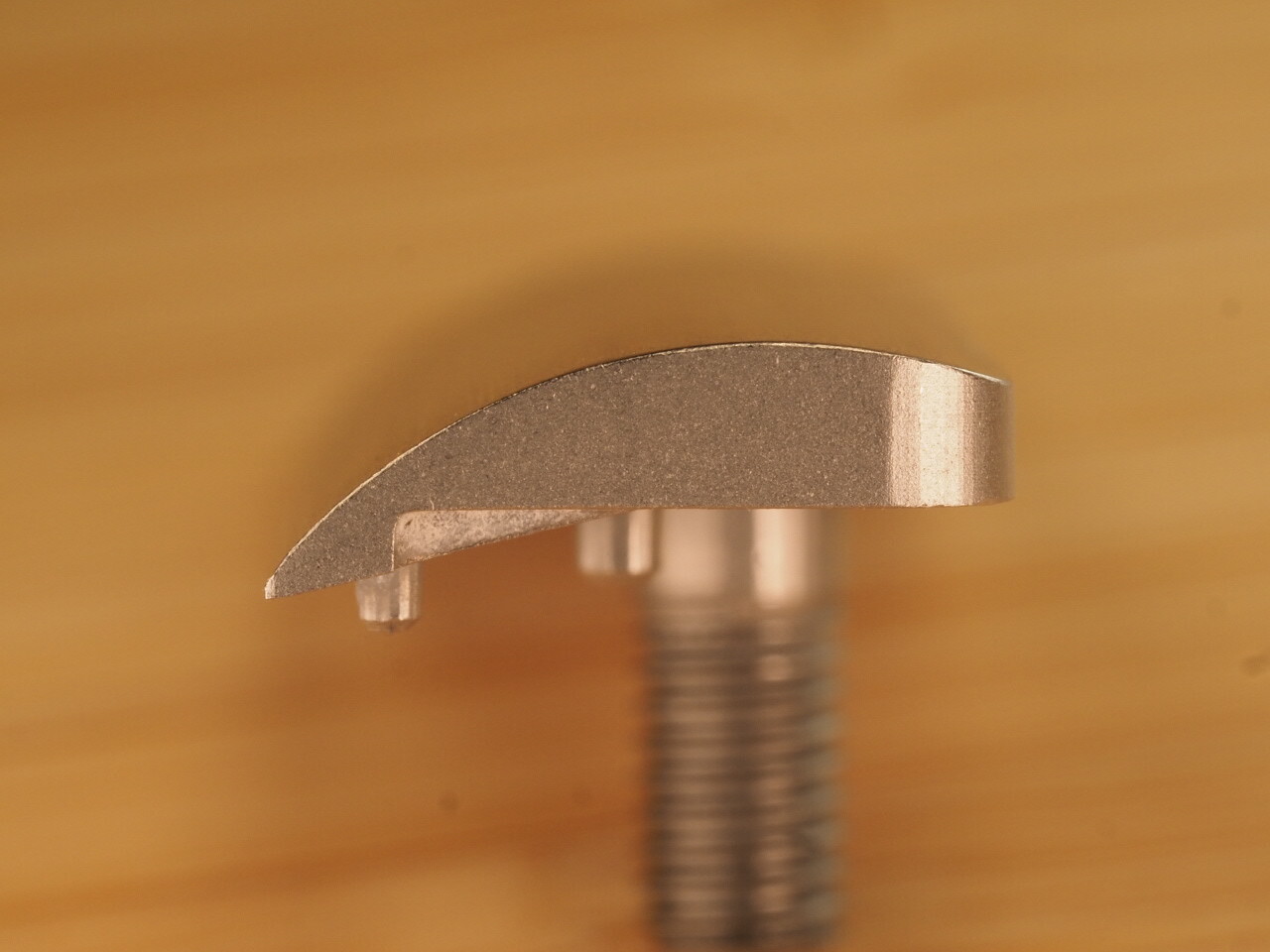
From the side, we can see the outer curve line and the difference with the inner surfaces. We see two surfaces. One where the central thread is located, perpendicular to the handle and another surface at an angle where the blade is attached. We see the lugs for positioning and securing the blade and we also see a small triangular recess just behind the front lug. I'll come back to this recess later.
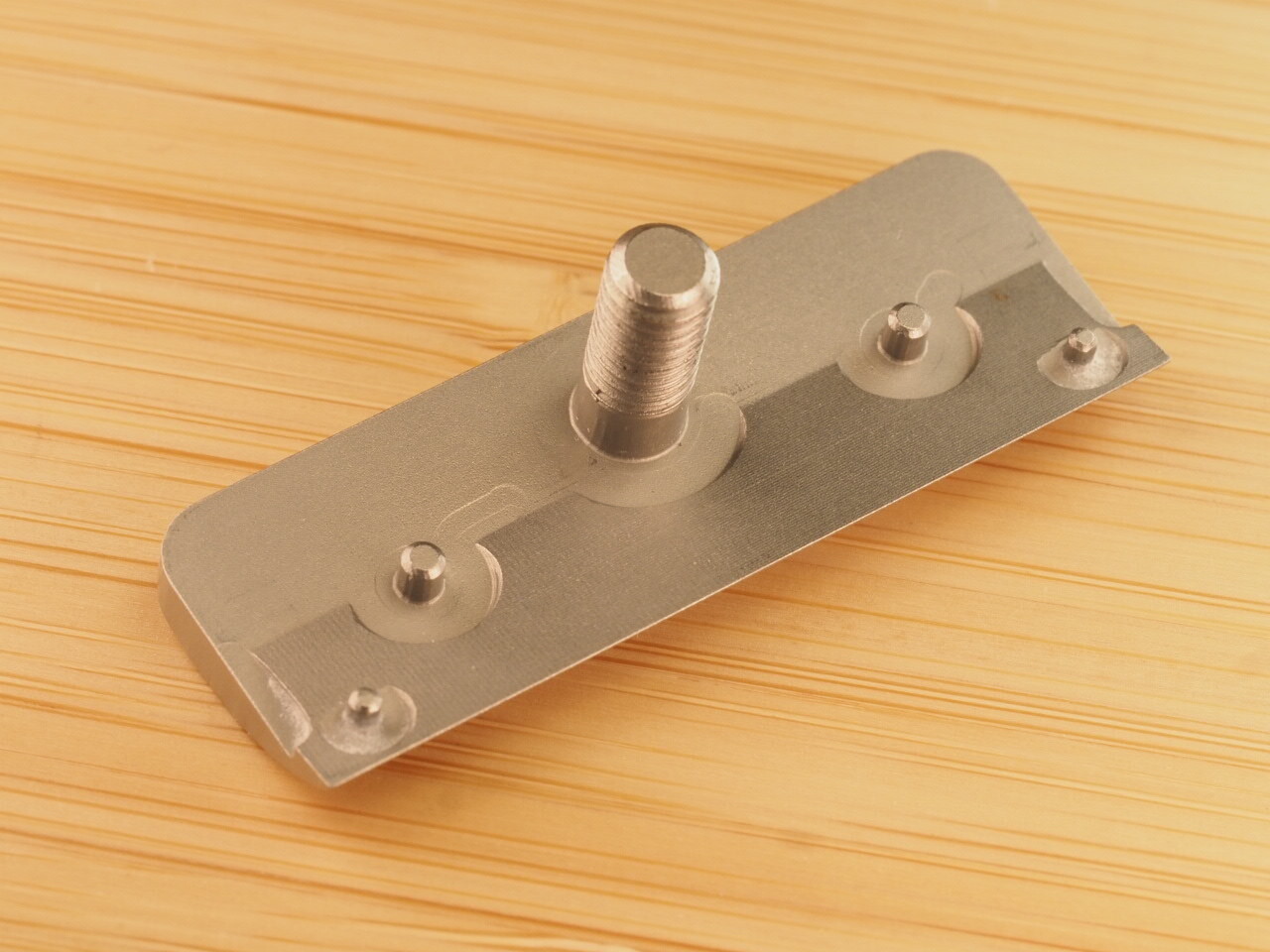
Inside the cap, the two internal surfaces are more easily visible: the surface where the central thread is located and the angled part where the blade sits. The prongs aligned with the central thread are larger than the prongs at the front. This is because they fit into different spaces on the blade.

The large prongs fit into the mountain-shaped section at the back of the blade and the smaller front prongs fit into the side notch halfway along the blade. Because these spaces are different shapes, the prongs are shaped differently as well.

Inside the base plate, we see all the holes necessary for mounting the head. There's the chamfered hole for the center thread and four holes for the studs. These stud holes all have the same diameter, which matches the diameter of the larger studs. When manufacturing the base plate, the drill bit wasn't changed when drilling the holes. There's a little extra space for the smaller studs but this doesn't affect its proper functioning. Like a good worker, they opted for efficiency without compromising quality.
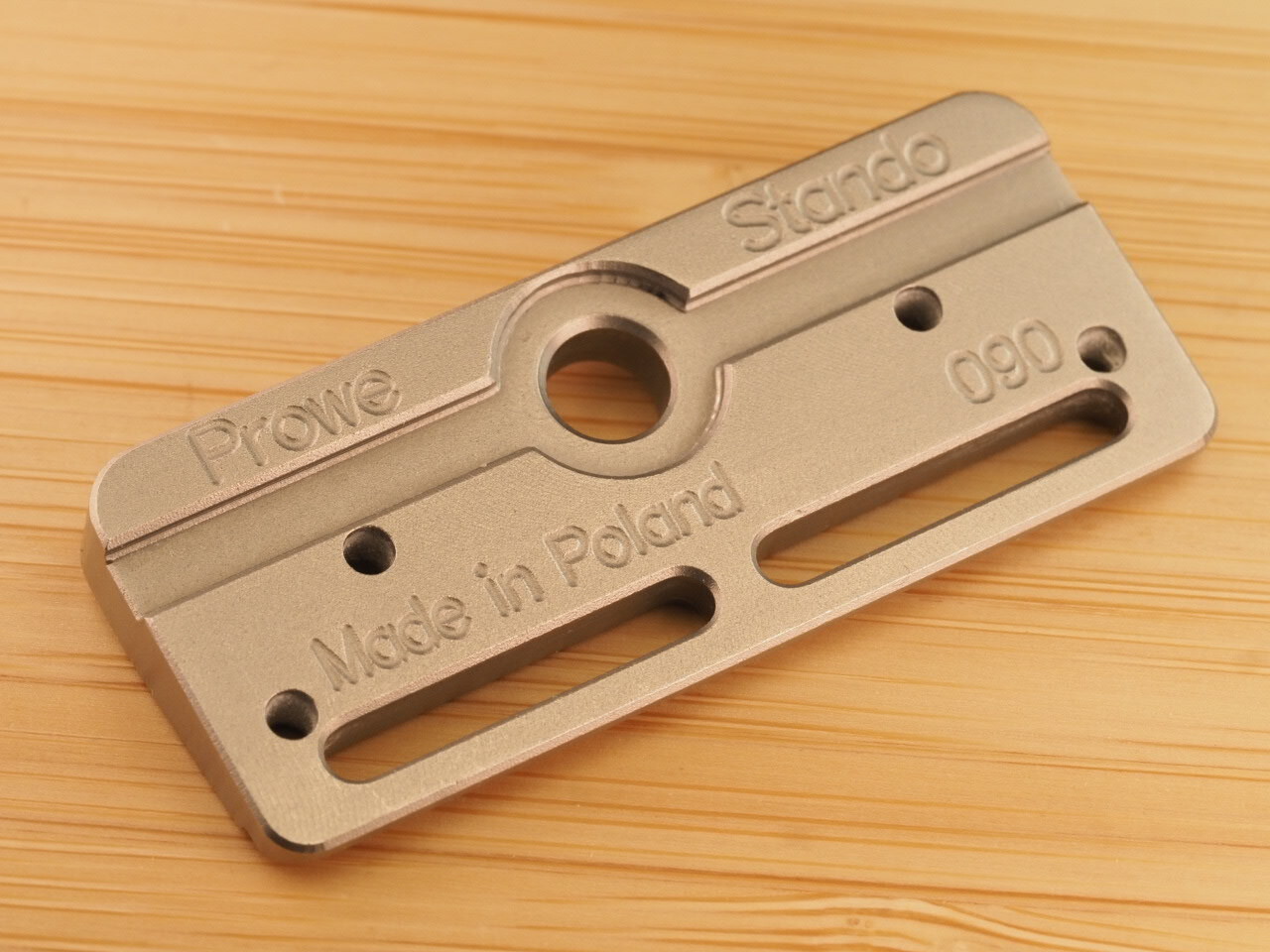
On the underside of the base plate we see the same holes, a recessed channel and a lot of information. Let's break it down. Engraved on it are the brand, model name, serial number and "Made in Poland". The four holes for the mounting studs, the central hole and, of course, the two channels for the mounting comb are also present.


The central hole has a recess where the neck of the handle that comes with the razor fits perfectly and on either side of this recess, there's a channel milled into the plate. I imagine the cutter they used to machine the recess in the center of the plate for the handle is a bit with a side cutting edge. I suppose that to reach the center and make the circular recess, they started on one side and worked their way to the middle where they made the recess. This leaves a decorative channel that also reduces the (considerable) weight of the head. Again, looking for that efficiency.
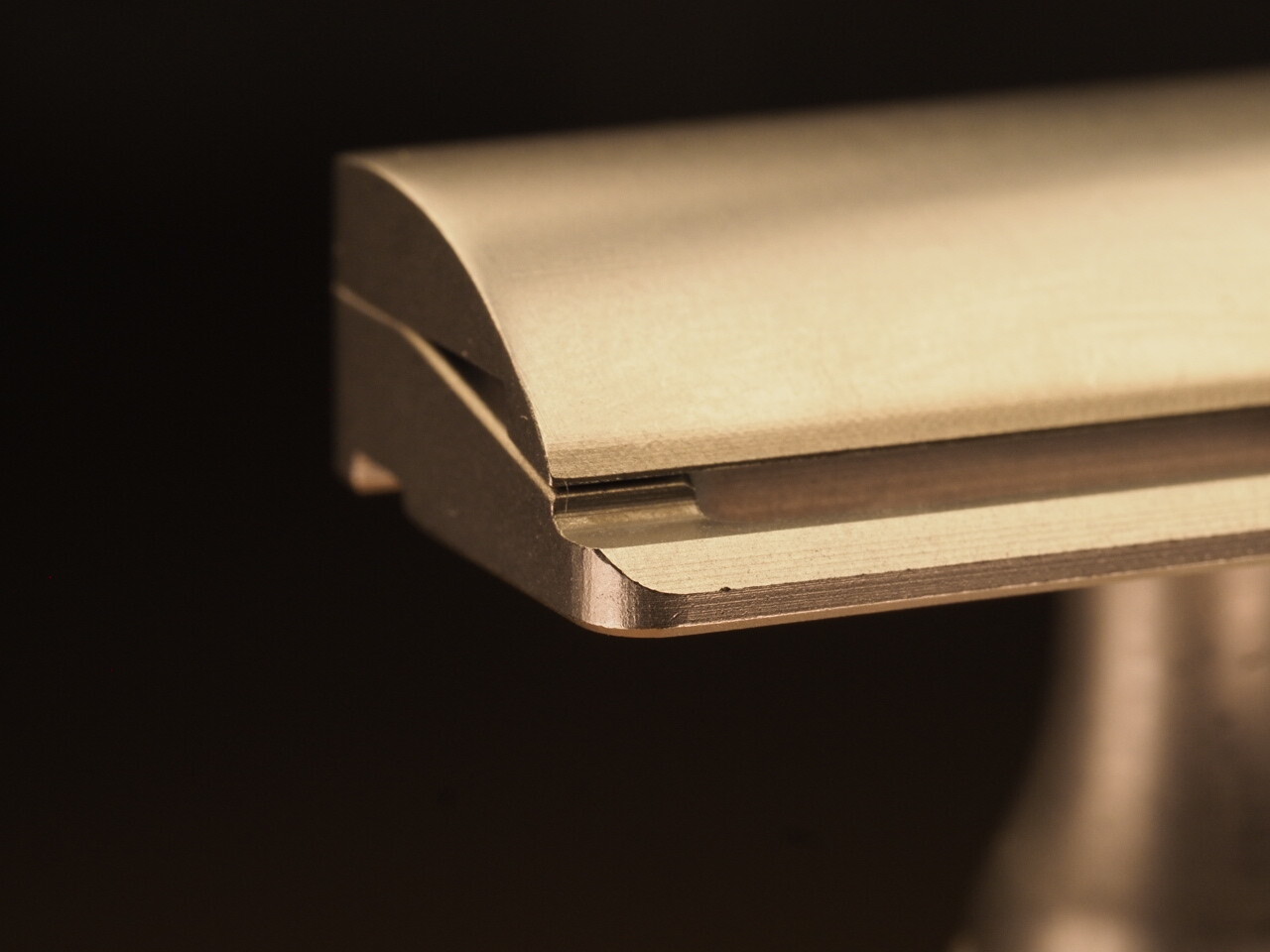
The finish is similar to other Stando razors. Very good but nothing special. The sandblasting looks very good and gives the razor a uniform and utilitarian look. All the corners are well finished and rounded. The edge of the cap, where it joins the blade, does have some sharp corners and the edge itself is quite sharp. In this case, I consider it a minor flaw rather than an oversight but you shouldn't apply too much pressure to those areas when (dis)assembling the head, for example. During shaving it isn’t an issue at all because it doesn’t come into contact with our skin.
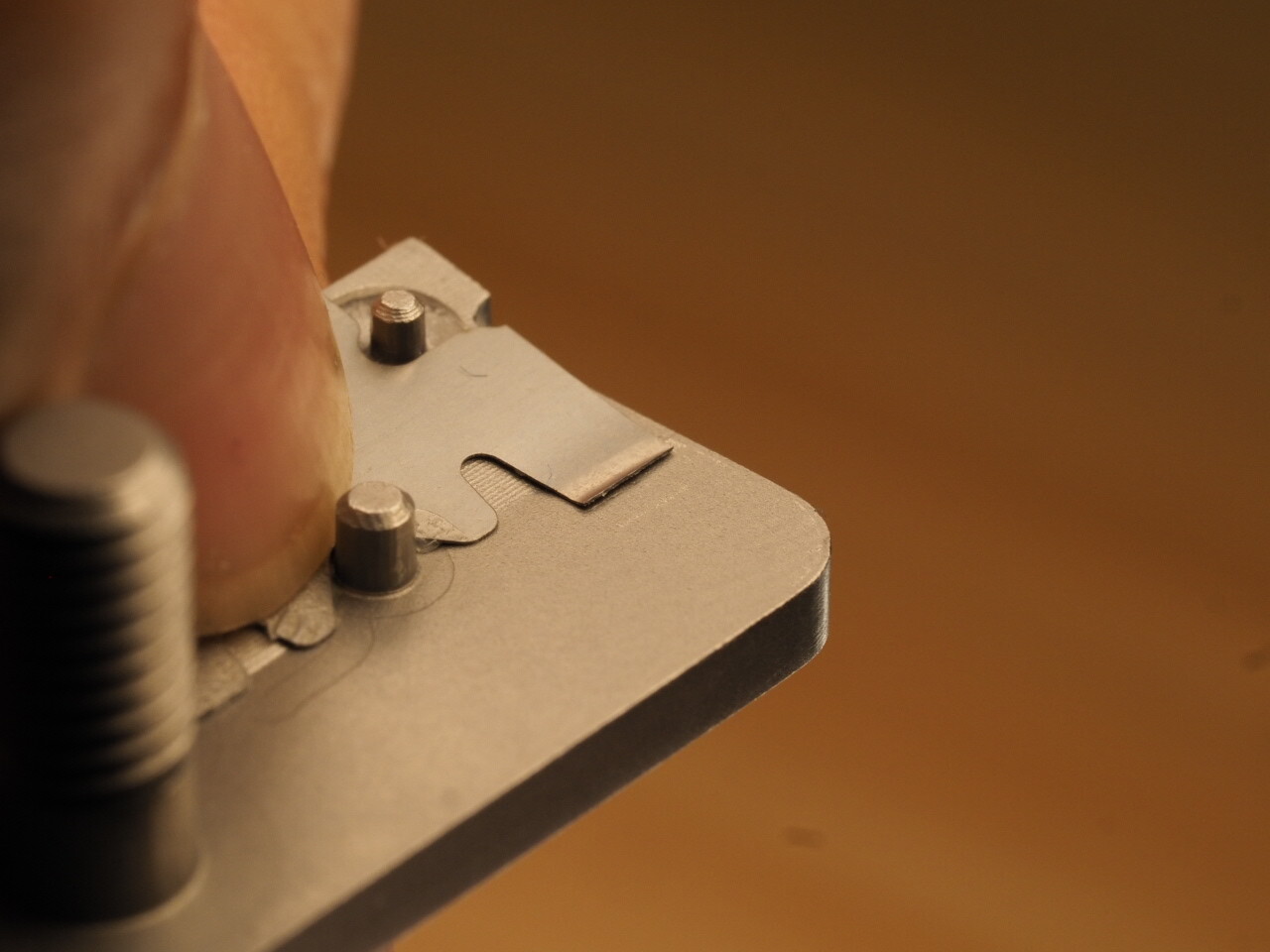
The tolerances are also well chosen and executed. Everything fits perfectly, although we know there are two pins that have extra space in their respective holes. Inside the cap, we can use either cut blades or blades split by bending. The curve formed when bending a DE blade sits perfectly in the transition between the two internal surfaces. The handle unscrews smoothly but doesn't have a very tight action.
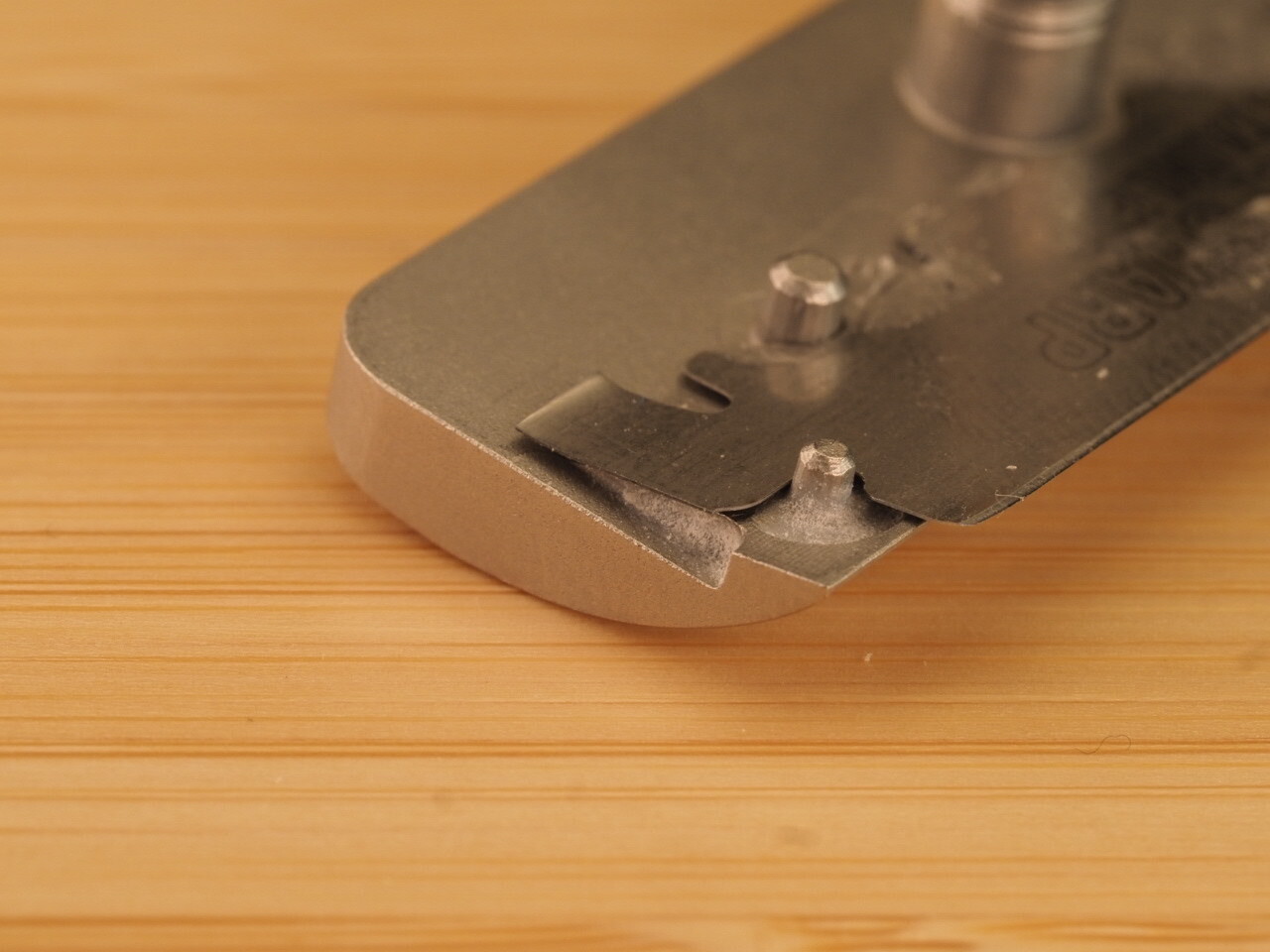
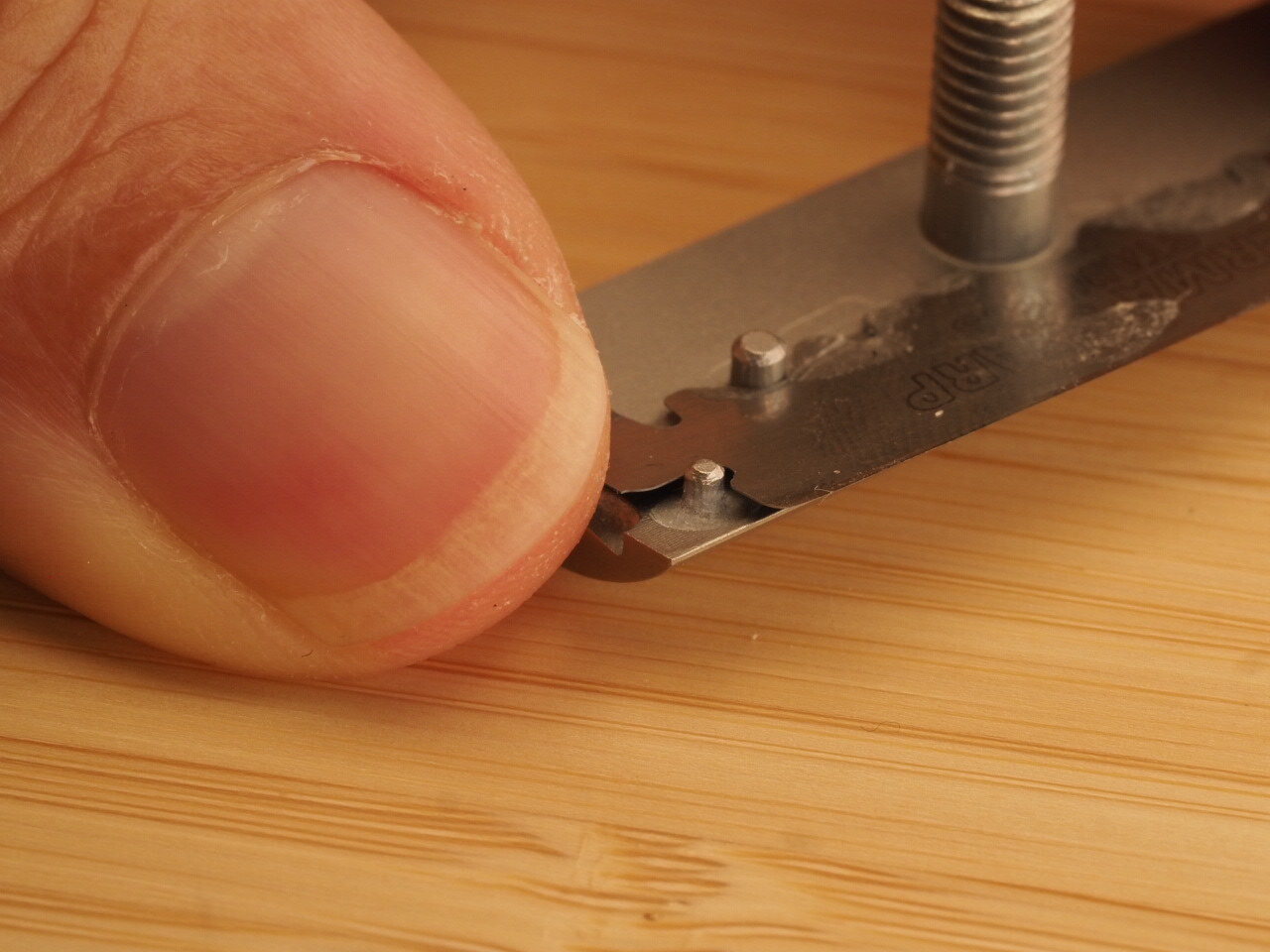
And another point I want to mention. We've seen this triangular recess on the sides of the lid. These recesses provide us with space to handle the blade much more comfortably and safely. Our fingers find the exposed side of the blade there, making it easy to grip. I think it's a very well-designed and implemented solution. It's not just about fitting the blade perfectly into place; we also need to be able to manipulate it without compromising that fit.
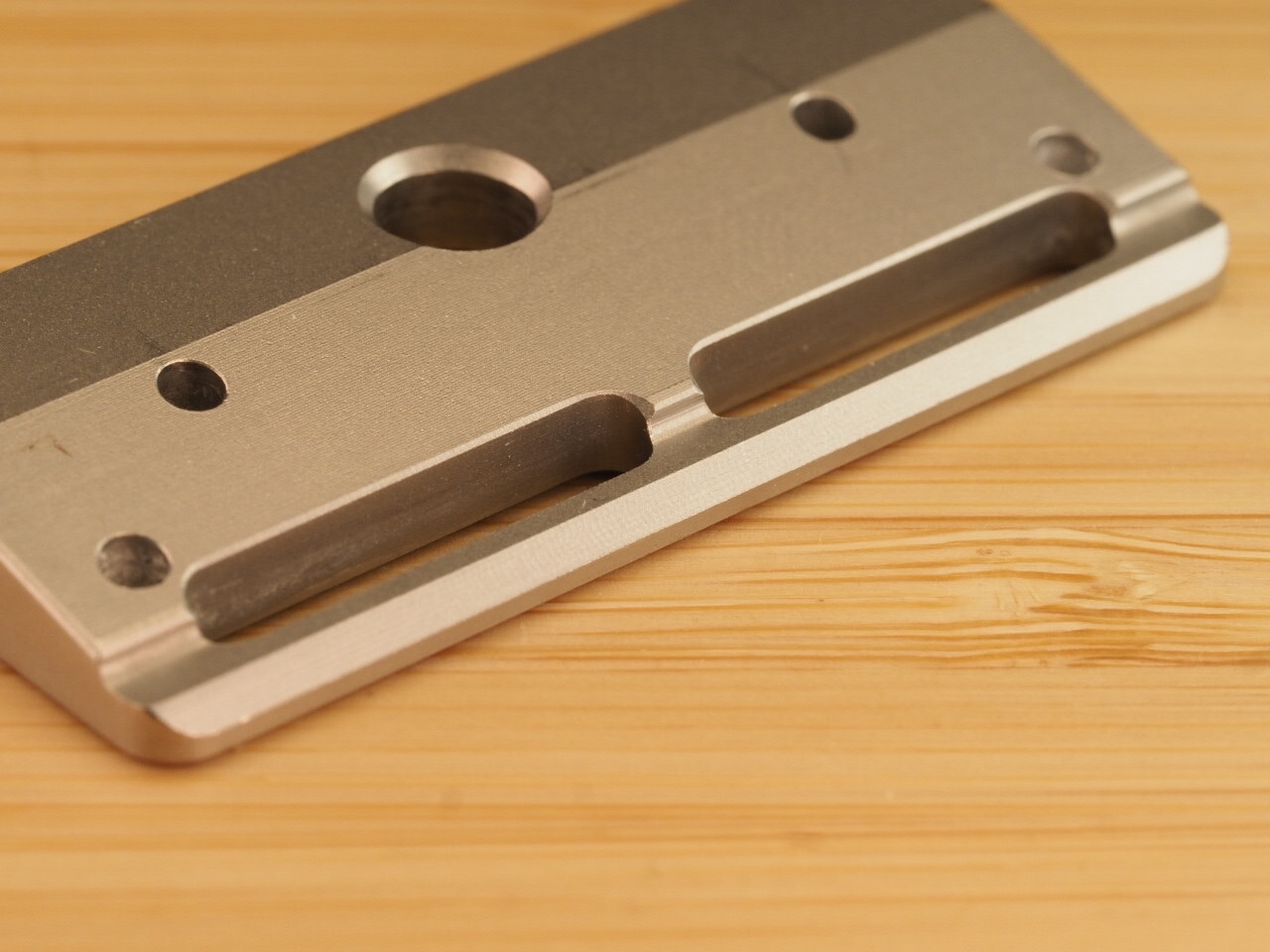
The safety bar is wide and has an angled surface to form the lower part of the shaving plane. This surface is very large, which greatly contributes to the comfort of each pass. It doesn't prevent you from changing the cutting angle if you prefer to do so but it fulfills its purpose of providing excellent guidance and protection.
Score: 17
Material: 4
Finish: 4
Tolerances: 4
Head/Comb Shape: 5
Grip

The handle follows Standos’ design philosophy: understated and functional. It's simply a steel bar with knurling and two grooves at the bottom near the knob. Nothing more. And it works perfectly! The knurling is very fine but adds a bit more friction to what's already there from the bead blasting, resulting in a handle with few additional grip textures but good overall grip.

The grooves are the only added texture and again, as with the triangular recesses on the cap, Stando has placed them strategically. This is the point where the ring finger hugs the handle and these grooves provide a reference point and texture that improves grip. It's not much but when you put all the elements together, it makes a difference.
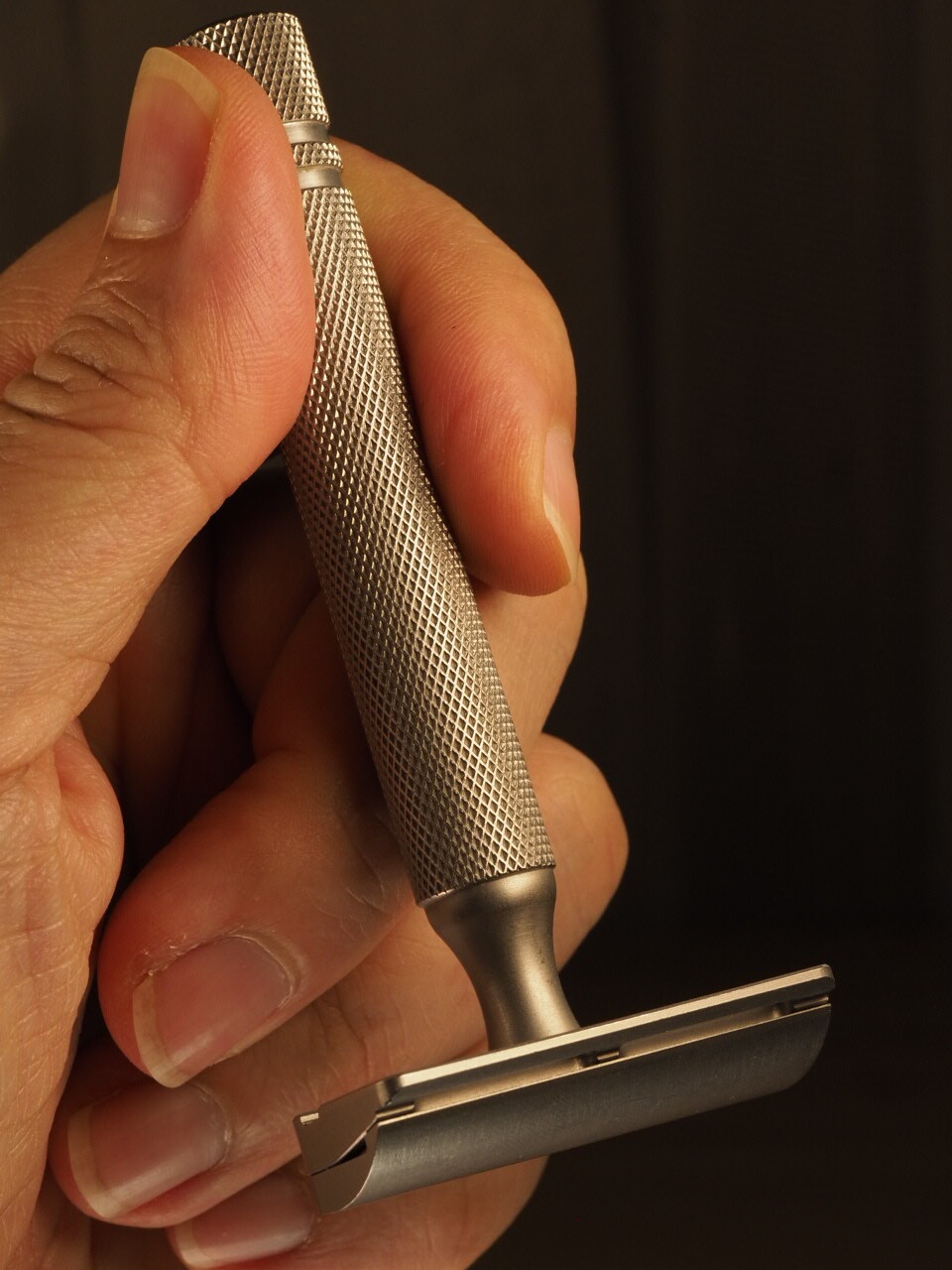

All the possible grips are comfortable. The handle is long enough to allow for various grip positions. The grooves also serve as a reference point for the reverse grip, where the thumb can be used to stabilize the razor.

The fine knurling, bead blasting and absence of other gripping elements that could distort ergonomics or create sharp edges make this handle very comfortable and pleasant to the touch. Often, less is more and when you use elements that have proven effective without being ostentatious, you almost always get it right. Although the grip is very good, more factors come into play when controlling the razor. One of the issues with razors of this type is an imbalance created by the head being positioned on one side of the longitudinal axis. These razors always tend to struggle more with gravity than razors with a more balanced, double head and we feel this struggle between our fingers.

It's obvious that the razor doesn't spin in our hand like a ratchet but it does want to exert the same movement and with a single-edge head that weighs as much as some double-edge heads, that tendency is noticeable.

The glide of the head is also excellent. Again, the material has a bead blasted finish and an industrial look. It's smooth enough to perfectly accept the lubrication we provide and “dimpled” enough to prevent it from sticking to the skin. The spacing between the wide safety bar and the contact point of the cap also helps. I'm not talking about the gap but rather the two points that make up the shaving surface. Being well separated creates stability and eliminates the possibility of a vacuum forming.
Score: 19
Dry/Wet: 5
Comfort: 5
Control: 4
Head glide: 5
Handling

The Prowes’ balance is good. Nothing to complain about. The balance point is located at the intuitive grip point, as it should be. But I can't judge this type of razor solely on its longitudinal balance. As I've already explained, razors with the head on one side of the handle axis always have more of a pendulum effect. And the weight also needs to be mentioned. The head is heavy for a single-edge razor. It weighs as much as a double-edge razor. This is somewhat offset by a sturdy and long handle but the overall weight still exceeds 100 grams. This is all in keeping with the industrial, robust and solid feel of the brand but it's a significant weight for a razor with a single-edge head.
Changing the blade is greatly facilitated by the triangular recesses. These recesses allow you to manipulate the blade while it's in the head. Without them, the blade would be supported entirely by the cap, making it impossible to access it from underneath. Stando solved this problem with these recesses. A brilliant as well as a simple solution.
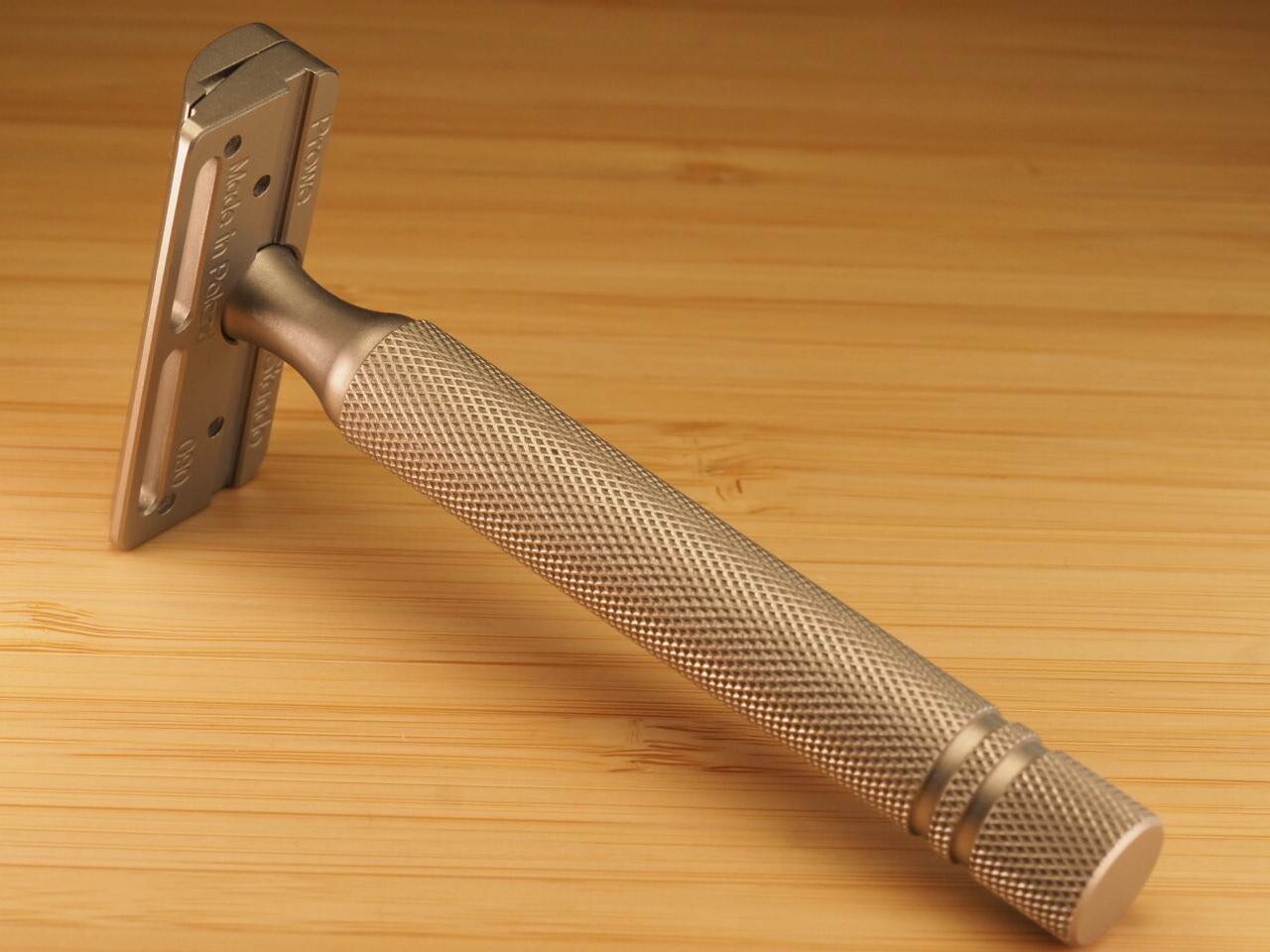
The rest is the same as with any three-piece razor. You have to get your fingers close to the blade to unscrew the head but the sides of the head are wide and offer a perfect grip. Often less is more but in this case, more is more. Cleaning is also quite easy. The surfaces are relatively flat and smooth and everything can be wiped clean with a cloth. A cloth can also be inserted through the comb channels for cleaning. Easy goings.
Rinsing can sometimes be a bit tricky. The comb has three supports, one of which is in the middle. Combined with the modest gap, this is where some debris can accumulate. The central support seems to slightly obstruct water flow. Using a stronger jet removes this debris but the design would benefit from a channel with only two supports at the ends. This would reduce the industrial look somewhat and only solve a very minor "problem", so I understand why Stando might not listen to me after reading this review.
Score: 15
Balance: 4
Weight: 3
Model/Security: 4
Cleaning: 4
Shaving

The Stando Prowe SE is a single-edge razor that shaves very well. It glides smoothly across the skin thanks to its weight and the well-defined shaving plane makes every pass a delight. The blade has a slight vibration along its edge but it's not bothersome. This adds flexibility to the cut and a satisfying audible feedback. You can really hear what and when you're cutting.

I don't consider it a super-efficient razor. It's rather gentle, in line with its configuration, featuring a shaving plane designed for comfort and a moderate cutting geometry. The exposure, gap and cutting angle are all focused on comfort and in that respect, it excels. The head is quite maneuverable, allowing you to reach all the desired areas. Single-edge heads have an advantage in this respect. The cover doesn't obstruct the supports and the cutting edge isn't too hidden within its cutting geometry.

I also haven't noticed any difference in the cut with different blades. I have Derby blades cut to size and they're the Premium version instead of the Extra. But with any blade I used, the razor gave me the same comfortable cut.
I've never cut myself with this razor and if you're careful with the number of passes, it doesn't irritate the skin. With razors that prioritize comfort over a clean shave, you always have to find the balance between efficiency and skin integrity. Finding that balance isn't difficult with this one but it does require some practice. Sometimes, applying more pressure in one pass saves you a second pass... and this razor is all about efficiency.
Score: 19
Efficiency: 4
Head control: 5
Derby/blade test influences: 5
Indulgent: 5
Quality/Price

The razor has a modest and functional design. That's not a bad thing in my opinion. I usually like these functional razors that don't try to be flashy. It does lack a bit of flair, though. It doesn't need it but I can't exactly call it a pretty razor either. But in terms of the reward it offers, it truly shines. It's a very capable and easy-to-use razor. It uses DE blades, which offer many more advantages than disadvantages and from a manufacturer that has proven its expertise. They don't follow some of the latest trends but they stick to what has already been shown to work... and they implement it perfectly, adding small details to elevate the design even further, like those triangular grooves. As simple as it is effective. I think a razor like this will hold its value well and while it won't be a collector's item, it can be bought and sold for very reasonable prices. They're well-made and work well. They're not razors that immediately catch your eye but they end up winning you over with how well they perform.

There are two things preventing me from keeping this razor forever. Well, three, because the razor belongs to @Alb74 and he'll want it back. I want to thank him again for the razors he so generously donated for the reviews. I think they were very interesting. The two things preventing this from becoming indispensable are its moderate efficiency and the single-edge design. There aren't many single-edge blades that offer me more advantages than a double-edge blade. They'd have to be exceptionally good to surpass them. This single-edge blade performs very well compared to other single-edge blades but it doesn't outperform a double-edge razor for me.
Score: 15
Aesthetics: 4
Reward: 5
Value in 25: 3
Single razor: 3
Conclusion
Stando continues to do things very well. I really liked using the Prowe SE this week. It's a very comfortable razor to use, with contrasting elements and some subtle details that demonstrate a quality design prioritizing the user over a designer's frivolous ego.

Among single-edge razors, the Prowe SE can be a very reasonable option. There are a few nuances to mention. It's not a super-efficient razor with its moderate gap and edge with neutral exposure. The weight is somewhat high for a razor with an SE head and it's not a razor that draws attention. These nuances could be entirely positive for someone looking for exactly that. And I would find that perfectly reasonable.
I don't have any Stando razors in my collection but the manufacturer is working hard to change that. Model after model surprises me positively. Perhaps I'm fooled by the understated design, because in the end, when you use these Standos, you realize they're anything but modest in terms of functionality. Humble in appearance, outstanding in results.
Final score: 85 points
Introduction
Some time ago I did a series of reviews of razors from the Polish manufacturer Stando. What I remember from that series is that all of these razors all had a very good quality standard. Good construction, practical in use and a modest but reasonable finish. Working-class razors that know what they're doing and do it well.
And today, thanks to the generosity of @Alb74, we have another Stando to review. This is the Stando Prowe SE. A single-edge razor that uses DE half-blades. At first glance, it seems to follow the same design as its siblings: solid industrial-like construction, a matte sandblasted finish and a functional handle. In these reviews, razors are scored based on several factors. Some factors are easily recognizable. The material, dimensions and color, for example, leave no room for doubt. But there are other elements that make up a razor and shape its performance with lather and hair.
And this is where Stando razors have always surprised me. Without being flashy, ostentatious or backed by infernal marketing, they've always performed more than admirably. What will this Prowe razor we have before us today do? Come in and join me for this review.
Construction
The Stando Prowe SE is a three piece single-edge razor that uses DE half-blades, CNC-machined from 316 stainless steel. This design is not new: a head with a base plate perpendicular to the handle and a curved cap. The angle between the blade and the handle is achieved inside the head on the ramp where the blade is attached.
Material: 316 stainless steel
Finish: Matte satin beadblasted
Handle length: 90 mm
Handle diameter: 12 mm
Total length of the razor: 97.6 mm
Total weight: 105 gr
Head weight: 37 gr
Cap height: 5.5 mm
Lid width: 15.5 mm
Gap: 0,70 mm
Exposure: neutral
The top of the cap has the typical half-curve of a single edge razor. Along the edge of the cap where the blade protrudes, there's a thin line where the cap hasn't been polished. This doesn't affect the blade's glide because it's located just above the cutting edge. The corners on the back are rounded.
From the side, we can see the outer curve line and the difference with the inner surfaces. We see two surfaces. One where the central thread is located, perpendicular to the handle and another surface at an angle where the blade is attached. We see the lugs for positioning and securing the blade and we also see a small triangular recess just behind the front lug. I'll come back to this recess later.
Inside the cap, the two internal surfaces are more easily visible: the surface where the central thread is located and the angled part where the blade sits. The prongs aligned with the central thread are larger than the prongs at the front. This is because they fit into different spaces on the blade.
The large prongs fit into the mountain-shaped section at the back of the blade and the smaller front prongs fit into the side notch halfway along the blade. Because these spaces are different shapes, the prongs are shaped differently as well.
Inside the base plate, we see all the holes necessary for mounting the head. There's the chamfered hole for the center thread and four holes for the studs. These stud holes all have the same diameter, which matches the diameter of the larger studs. When manufacturing the base plate, the drill bit wasn't changed when drilling the holes. There's a little extra space for the smaller studs but this doesn't affect its proper functioning. Like a good worker, they opted for efficiency without compromising quality.
On the underside of the base plate we see the same holes, a recessed channel and a lot of information. Let's break it down. Engraved on it are the brand, model name, serial number and "Made in Poland". The four holes for the mounting studs, the central hole and, of course, the two channels for the mounting comb are also present.
The central hole has a recess where the neck of the handle that comes with the razor fits perfectly and on either side of this recess, there's a channel milled into the plate. I imagine the cutter they used to machine the recess in the center of the plate for the handle is a bit with a side cutting edge. I suppose that to reach the center and make the circular recess, they started on one side and worked their way to the middle where they made the recess. This leaves a decorative channel that also reduces the (considerable) weight of the head. Again, looking for that efficiency.
The finish is similar to other Stando razors. Very good but nothing special. The sandblasting looks very good and gives the razor a uniform and utilitarian look. All the corners are well finished and rounded. The edge of the cap, where it joins the blade, does have some sharp corners and the edge itself is quite sharp. In this case, I consider it a minor flaw rather than an oversight but you shouldn't apply too much pressure to those areas when (dis)assembling the head, for example. During shaving it isn’t an issue at all because it doesn’t come into contact with our skin.
The tolerances are also well chosen and executed. Everything fits perfectly, although we know there are two pins that have extra space in their respective holes. Inside the cap, we can use either cut blades or blades split by bending. The curve formed when bending a DE blade sits perfectly in the transition between the two internal surfaces. The handle unscrews smoothly but doesn't have a very tight action.
And another point I want to mention. We've seen this triangular recess on the sides of the lid. These recesses provide us with space to handle the blade much more comfortably and safely. Our fingers find the exposed side of the blade there, making it easy to grip. I think it's a very well-designed and implemented solution. It's not just about fitting the blade perfectly into place; we also need to be able to manipulate it without compromising that fit.
The safety bar is wide and has an angled surface to form the lower part of the shaving plane. This surface is very large, which greatly contributes to the comfort of each pass. It doesn't prevent you from changing the cutting angle if you prefer to do so but it fulfills its purpose of providing excellent guidance and protection.
Score: 17
Material: 4
Finish: 4
Tolerances: 4
Head/Comb Shape: 5
Grip
The handle follows Standos’ design philosophy: understated and functional. It's simply a steel bar with knurling and two grooves at the bottom near the knob. Nothing more. And it works perfectly! The knurling is very fine but adds a bit more friction to what's already there from the bead blasting, resulting in a handle with few additional grip textures but good overall grip.
The grooves are the only added texture and again, as with the triangular recesses on the cap, Stando has placed them strategically. This is the point where the ring finger hugs the handle and these grooves provide a reference point and texture that improves grip. It's not much but when you put all the elements together, it makes a difference.
All the possible grips are comfortable. The handle is long enough to allow for various grip positions. The grooves also serve as a reference point for the reverse grip, where the thumb can be used to stabilize the razor.
The fine knurling, bead blasting and absence of other gripping elements that could distort ergonomics or create sharp edges make this handle very comfortable and pleasant to the touch. Often, less is more and when you use elements that have proven effective without being ostentatious, you almost always get it right. Although the grip is very good, more factors come into play when controlling the razor. One of the issues with razors of this type is an imbalance created by the head being positioned on one side of the longitudinal axis. These razors always tend to struggle more with gravity than razors with a more balanced, double head and we feel this struggle between our fingers.
It's obvious that the razor doesn't spin in our hand like a ratchet but it does want to exert the same movement and with a single-edge head that weighs as much as some double-edge heads, that tendency is noticeable.
The glide of the head is also excellent. Again, the material has a bead blasted finish and an industrial look. It's smooth enough to perfectly accept the lubrication we provide and “dimpled” enough to prevent it from sticking to the skin. The spacing between the wide safety bar and the contact point of the cap also helps. I'm not talking about the gap but rather the two points that make up the shaving surface. Being well separated creates stability and eliminates the possibility of a vacuum forming.
Score: 19
Dry/Wet: 5
Comfort: 5
Control: 4
Head glide: 5
Handling
The Prowes’ balance is good. Nothing to complain about. The balance point is located at the intuitive grip point, as it should be. But I can't judge this type of razor solely on its longitudinal balance. As I've already explained, razors with the head on one side of the handle axis always have more of a pendulum effect. And the weight also needs to be mentioned. The head is heavy for a single-edge razor. It weighs as much as a double-edge razor. This is somewhat offset by a sturdy and long handle but the overall weight still exceeds 100 grams. This is all in keeping with the industrial, robust and solid feel of the brand but it's a significant weight for a razor with a single-edge head.
Changing the blade is greatly facilitated by the triangular recesses. These recesses allow you to manipulate the blade while it's in the head. Without them, the blade would be supported entirely by the cap, making it impossible to access it from underneath. Stando solved this problem with these recesses. A brilliant as well as a simple solution.
The rest is the same as with any three-piece razor. You have to get your fingers close to the blade to unscrew the head but the sides of the head are wide and offer a perfect grip. Often less is more but in this case, more is more. Cleaning is also quite easy. The surfaces are relatively flat and smooth and everything can be wiped clean with a cloth. A cloth can also be inserted through the comb channels for cleaning. Easy goings.
Rinsing can sometimes be a bit tricky. The comb has three supports, one of which is in the middle. Combined with the modest gap, this is where some debris can accumulate. The central support seems to slightly obstruct water flow. Using a stronger jet removes this debris but the design would benefit from a channel with only two supports at the ends. This would reduce the industrial look somewhat and only solve a very minor "problem", so I understand why Stando might not listen to me after reading this review.
Score: 15
Balance: 4
Weight: 3
Model/Security: 4
Cleaning: 4
Shaving
The Stando Prowe SE is a single-edge razor that shaves very well. It glides smoothly across the skin thanks to its weight and the well-defined shaving plane makes every pass a delight. The blade has a slight vibration along its edge but it's not bothersome. This adds flexibility to the cut and a satisfying audible feedback. You can really hear what and when you're cutting.
I don't consider it a super-efficient razor. It's rather gentle, in line with its configuration, featuring a shaving plane designed for comfort and a moderate cutting geometry. The exposure, gap and cutting angle are all focused on comfort and in that respect, it excels. The head is quite maneuverable, allowing you to reach all the desired areas. Single-edge heads have an advantage in this respect. The cover doesn't obstruct the supports and the cutting edge isn't too hidden within its cutting geometry.
I also haven't noticed any difference in the cut with different blades. I have Derby blades cut to size and they're the Premium version instead of the Extra. But with any blade I used, the razor gave me the same comfortable cut.
I've never cut myself with this razor and if you're careful with the number of passes, it doesn't irritate the skin. With razors that prioritize comfort over a clean shave, you always have to find the balance between efficiency and skin integrity. Finding that balance isn't difficult with this one but it does require some practice. Sometimes, applying more pressure in one pass saves you a second pass... and this razor is all about efficiency.
Score: 19
Efficiency: 4
Head control: 5
Derby/blade test influences: 5
Indulgent: 5
Quality/Price
The razor has a modest and functional design. That's not a bad thing in my opinion. I usually like these functional razors that don't try to be flashy. It does lack a bit of flair, though. It doesn't need it but I can't exactly call it a pretty razor either. But in terms of the reward it offers, it truly shines. It's a very capable and easy-to-use razor. It uses DE blades, which offer many more advantages than disadvantages and from a manufacturer that has proven its expertise. They don't follow some of the latest trends but they stick to what has already been shown to work... and they implement it perfectly, adding small details to elevate the design even further, like those triangular grooves. As simple as it is effective. I think a razor like this will hold its value well and while it won't be a collector's item, it can be bought and sold for very reasonable prices. They're well-made and work well. They're not razors that immediately catch your eye but they end up winning you over with how well they perform.
There are two things preventing me from keeping this razor forever. Well, three, because the razor belongs to @Alb74 and he'll want it back. I want to thank him again for the razors he so generously donated for the reviews. I think they were very interesting. The two things preventing this from becoming indispensable are its moderate efficiency and the single-edge design. There aren't many single-edge blades that offer me more advantages than a double-edge blade. They'd have to be exceptionally good to surpass them. This single-edge blade performs very well compared to other single-edge blades but it doesn't outperform a double-edge razor for me.
Score: 15
Aesthetics: 4
Reward: 5
Value in 25: 3
Single razor: 3
Conclusion
Stando continues to do things very well. I really liked using the Prowe SE this week. It's a very comfortable razor to use, with contrasting elements and some subtle details that demonstrate a quality design prioritizing the user over a designer's frivolous ego.
Among single-edge razors, the Prowe SE can be a very reasonable option. There are a few nuances to mention. It's not a super-efficient razor with its moderate gap and edge with neutral exposure. The weight is somewhat high for a razor with an SE head and it's not a razor that draws attention. These nuances could be entirely positive for someone looking for exactly that. And I would find that perfectly reasonable.
I don't have any Stando razors in my collection but the manufacturer is working hard to change that. Model after model surprises me positively. Perhaps I'm fooled by the understated design, because in the end, when you use these Standos, you realize they're anything but modest in terms of functionality. Humble in appearance, outstanding in results.
Final score: 85 points


